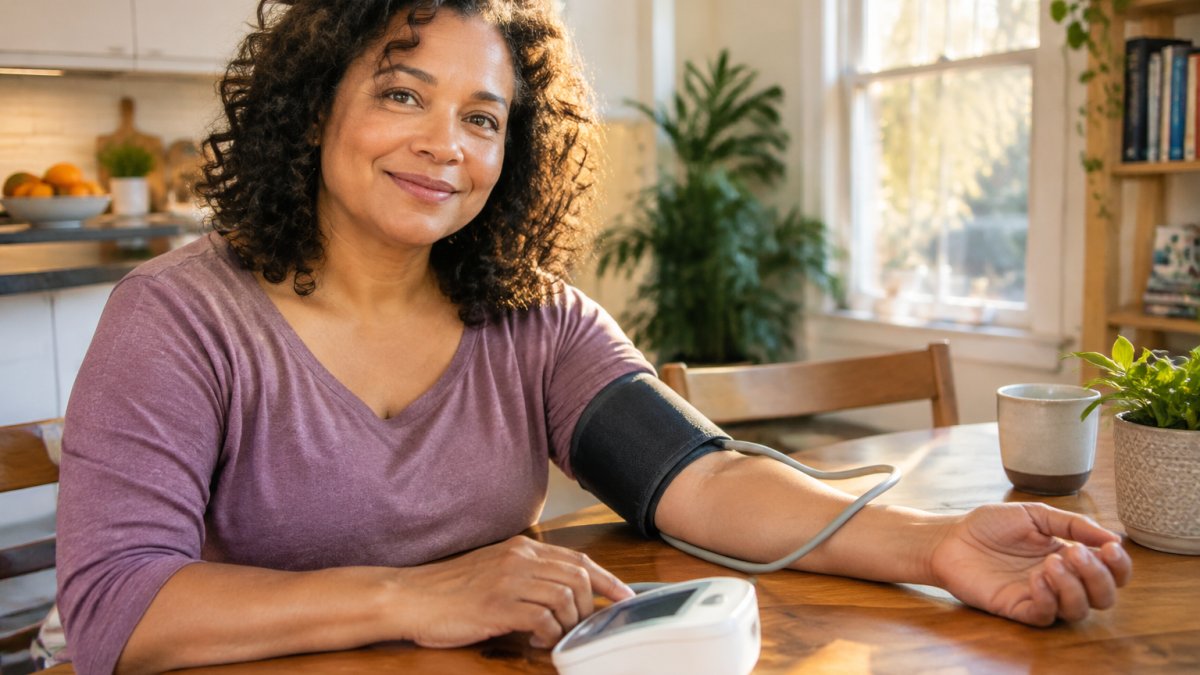
 How-to
How Do You Track Blood Pressure Readings at Home?
Last Updated: November 5, 2026
Quick Summary
To track blood pressure at home, use a validated upper-arm cuff sized to your bare arm and take two readings one to two minutes apart, recording both. Log the date, time, systolic and diastolic pressure, and pulse each time. Check at consistent times daily, such as morning and evening, for several days before a visit.
- Rest five minutes and sit upright with back supported and feet flat before measuring.
- Avoid caffeine, tobacco, alcohol, and exercise for 30 minutes before a reading.
- Many clinicians prefer the average of two readings taken one to two minutes apart.
- Paper, spreadsheet, or app all work for logging, but check an app's privacy settings first.
- If a reading is much higher than usual, sit quietly and recheck after five minutes.
Table of Contents
- How to Measure Blood Pressure at Home Correctly
- Building a Home Blood Pressure Log That Works
- The Best Time to Check Blood Pressure and How Often to Check at Home
- Frequently Asked Questions
How to Measure Blood Pressure at Home Correctly
To track blood pressure readings accurately, start with correct technique, poor form can shift numbers by several points. A home log is only as good as its readings.
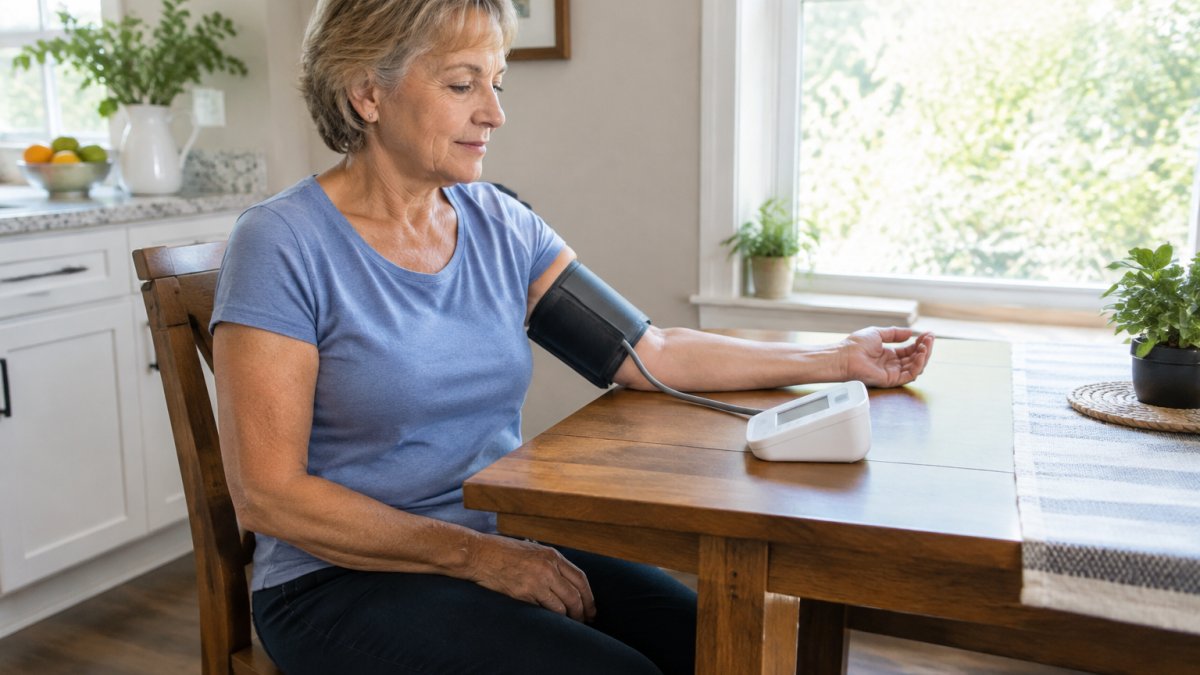
Use a validated upper-arm cuff (check validatebp.org) sized to your bare arm, rest five minutes, empty your bladder, and sit upright with back supported and feet flat. Support your arm at heart level, stay quiet during the reading, and avoid caffeine, tobacco, alcohol, and exercise for 30 minutes beforehand.
Building a Home Blood Pressure Log That Works
A useful log captures more than systolic pressure, include diastolic, pulse, and the conditions behind each reading.
| Field | Example |
|---|---|
| Date | Nov 5, 2026 |
| Time | 7:15 a.m. |
| Systolic pressure | 128 |
Take two readings one to two minutes apart and record both; many clinicians prefer the average. Paper, spreadsheet, or app all work, check an app's privacy settings first. For in-clinic bloodwork to compare against home numbers, our laboratory services can help.
The Best Time to Check Blood Pressure and How Often to Check at Home
A common approach is to check at consistent times each day, such as morning and evening, for several days before a visit, though your clinician may adjust this.
For a schedule that fits your health, our primary care services can help, or book an appointment to review your readings. If a reading is much higher than usual, don't panic or adjust medication, sit quietly and recheck after five minutes; seek emergency care for chest pain, shortness of breath, weakness, or trouble speaking. We support ongoing conditions like high blood pressure through chronic disease management.
Frequently Asked Questions
What is an easy way to track blood pressure at home?
Use a validated upper-arm monitor and keep a simple log with the date, time, systolic and diastolic numbers, and pulse. Take two readings one to two minutes apart and record both, then average them. A paper notebook, spreadsheet, or phone app all work. The key is recording every reading consistently, including the context like whether you had caffeine or exercise beforehand, so your doctor can see patterns across days rather than a single snapshot.
How often should I check my blood pressure at home?
For most people monitoring at home, two readings in the morning and two in the evening over three to seven days gives a reliable picture before a medical visit. If your doctor is adjusting medication, they may ask for daily checks for a set period. Once readings are stable, weekly or a few times a month may be enough. Follow your healthcare professional's guidance, since the right frequency depends on your blood pressure range and treatment plan.
What should I do if my home blood pressure reading is high?
Sit quietly for five minutes and take another reading to confirm. If it stays high, note the number, time, and any symptoms in your log. Call your healthcare professional for guidance. If a reading is very high or comes with chest pain, shortness of breath, severe headache, vision changes, or weakness, seek emergency care right away. Do not adjust medication on your own based on a single home reading.
Tracking blood pressure at home takes a few minutes a day, but the payoff is a clearer picture for you and your clinician. At Universal Family Care, we offer personalized medical care, in-office and telehealth options, and a focus on long-term health management. Get started with Universal Family Care and turn your daily readings into a plan your care team can act on.